Pacific Islanders Urge Coca-Cola to Reinstate Reusable Glass Bottles in Samoa
Coca-Cola’s decision to phase out reusable glass bottles in Samoa is not merely a corporate blunder; it’s a symptom of a greater malady plaguing not just the Pacific Islands but global environmental management practices. The recent symbolic protest at the company's London headquarters, where conservation groups presented a message in a bottle to CEO Damian Gammell, underscores a growing frustration with corporate accountability in the face of skyrocketing plastic pollution.
The Bottling Backlash
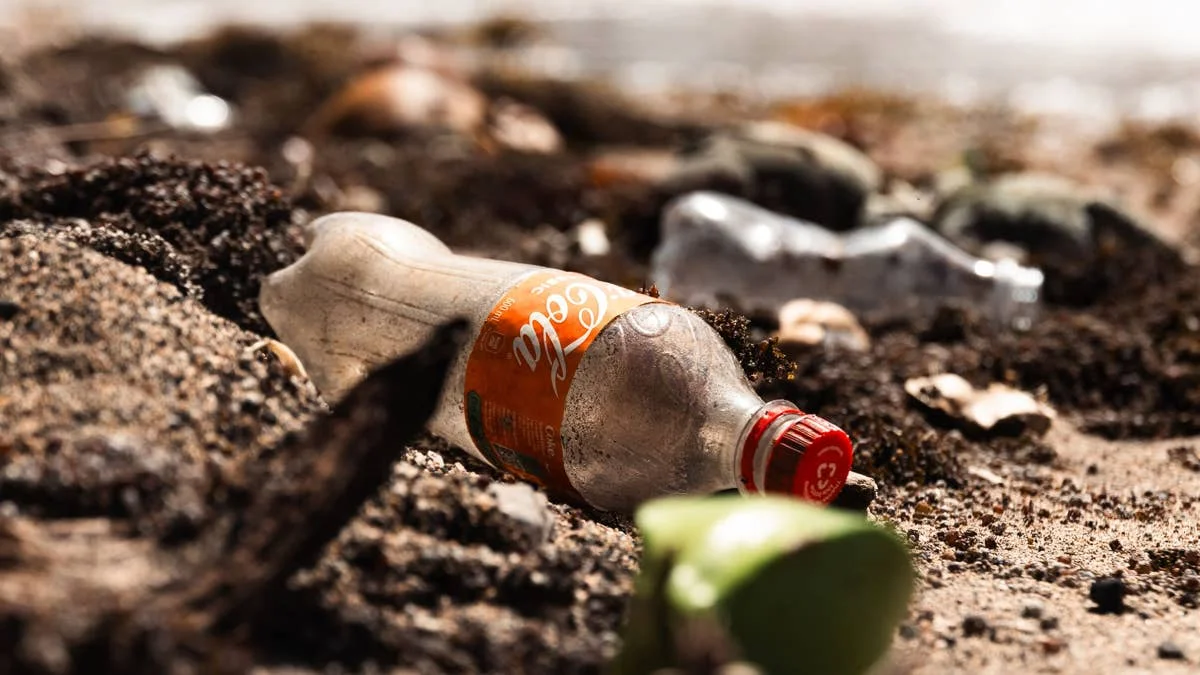
The transition from glass to single-use plastic bottles in Samoa began in 2021, resulting in an alarming increase of over 100% in imports of plastic bottles from Fiji and New Zealand within just four years. What's striking is how this shift directly contradicts existing local practices and waste management capacities. Within a country where approximately one-third of beverage bottle waste now comes from Coca-Cola products, reliance on plastic not only strains a fragile recycling system but jeopardizes local ecosystems as waste becomes litter, ash, or landfill fill.
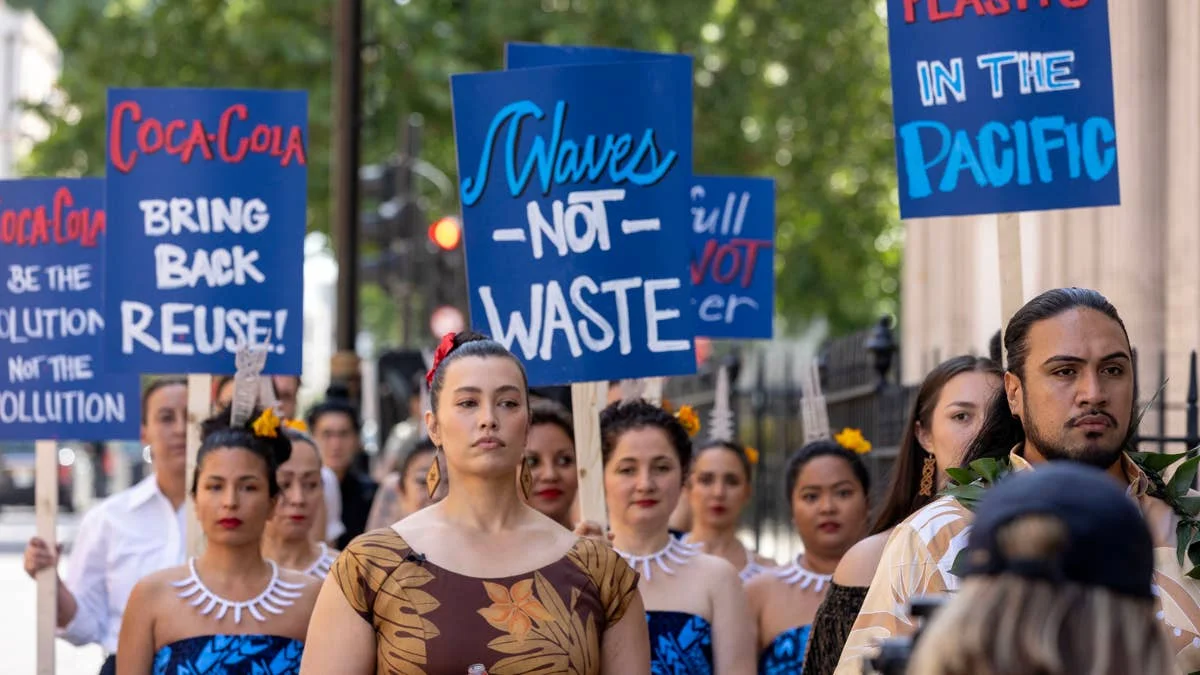
Jono Terry
Plastic's Growing Presence
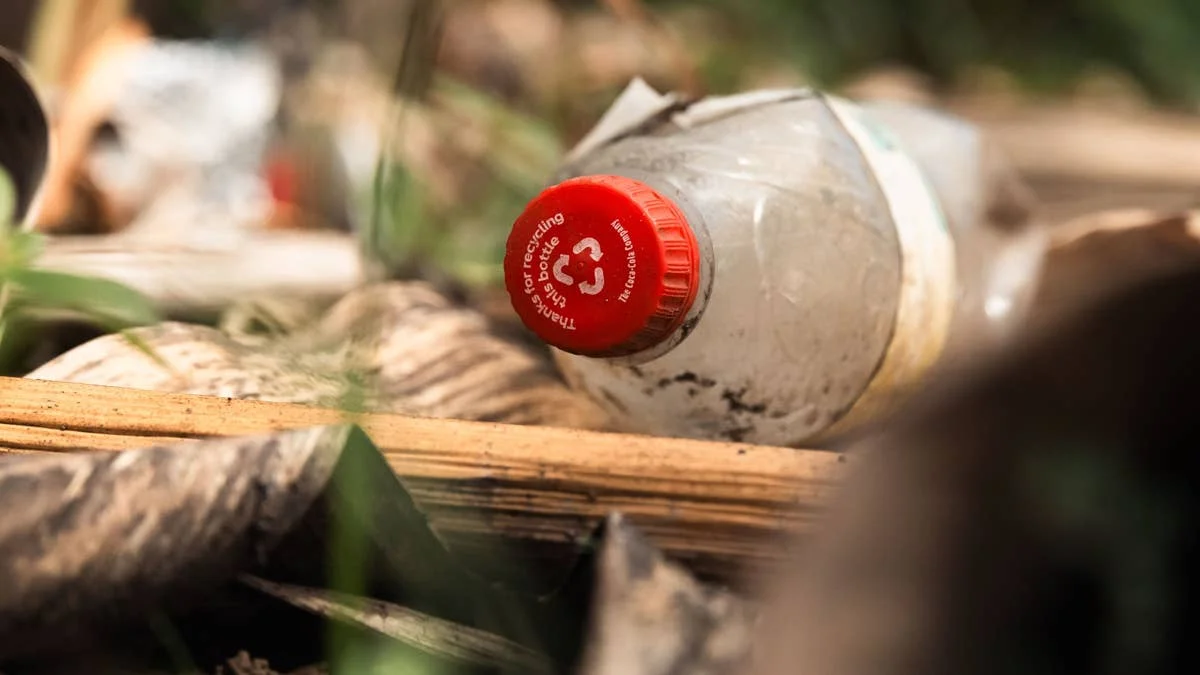
The statistics are eye-opening. Coca-Cola has consistently ranked as the world's worst plastic polluter for six consecutive years, responsible for at least 11% of all branded plastic waste found in oceans and waterways. By 2030, estimates suggest the company's plastic usage could exceed 9.1 billion pounds—up 40% since 2018, with about 1.3 billion pounds inevitably entering aquatic environments. This is not just a brand issue; it's an ecological crisis, exacerbated by the indifference shown by large corporations to local communities deeply affected by their decisions.
Oceana
Revisiting a Proven Model
The irony is palpable: Coca-Cola has a rich history of utilizing reusable glass bottles in Samoa, with the necessary infrastructure and consumer base already established. A recent analysis by Oceana suggests that if the company committed to 26.4% reusable packaging globally by 2030, it could actually reduce its annual plastic use to below current levels. The willingness to act, then, appears to hinge not on capability but on corporate strategy and profit maximization.
The Cultural Dimension of Waste
At the heart of the protest was more than just an environmental plea; it was a call for recognition. Members of the London School of Hula and 'Ori, representing Pacific Island voices, emphasized the cultural stakes involved. Indigenous communities, often the most affected by environmental degradation, demand a seat at the decision-making table. The performance of traditional songs and dances at a corporate event serves as a stark reminder of this—highlighting that the conversation about waste is intrinsically wrapped in issues of cultural identity and stewardship of the land.
Oceana
Greenwashing or Genuine Change?
The timing of this direct appeal to Coca-Cola cannot go unnoticed. Following years of promises, the company quietly abandoned its commitment to enhance reusable packaging in December 2024. The skepticism surrounding the company's sustainability agenda is palpable, particularly given the profound consequences surrounding its failure to return to a refillable model in Samoa—a model that would not be a favor but a necessary step towards ecological responsibility.
The Path Forward
What’s the takeaway here? For those operating within the environmental policy and corporate responsibility sphere, actions matter more than words. The call from the Samoa Conservation Society and other local representatives is not just about Coca-Cola's products; it's a broader commentary on the relationship between global companies and the communities they impact. Reinstating refillable systems is not only feasible but essential for reducing plastic waste and enhancing community resilience against pollution.
The protest sends a clear message: consumers and communities are watching corporate actions closely. For industry professionals, this trend offers insight into shifting expectations surrounding sustainability, transparency, and corporate accountability. If Coca-Cola—or any company—wants to maintain its standing as a global brand, it must prioritize the planet, not just profits.