Anticipating El Niño: What It Means for Your Winter Surfing Experience
For those entrenched in the surfing culture, the possible emergence of El Niño this year is electrifying. Recent assessments by NOAA suggest about an 82% likelihood of this climate phenomenon developing between May and July, continuing through the upcoming Northern Hemisphere winter. While this potentially promises significant swell conditions, understanding what this means for surfers and coastal weather patterns is essential.
The Implications of El Niño for Surfing
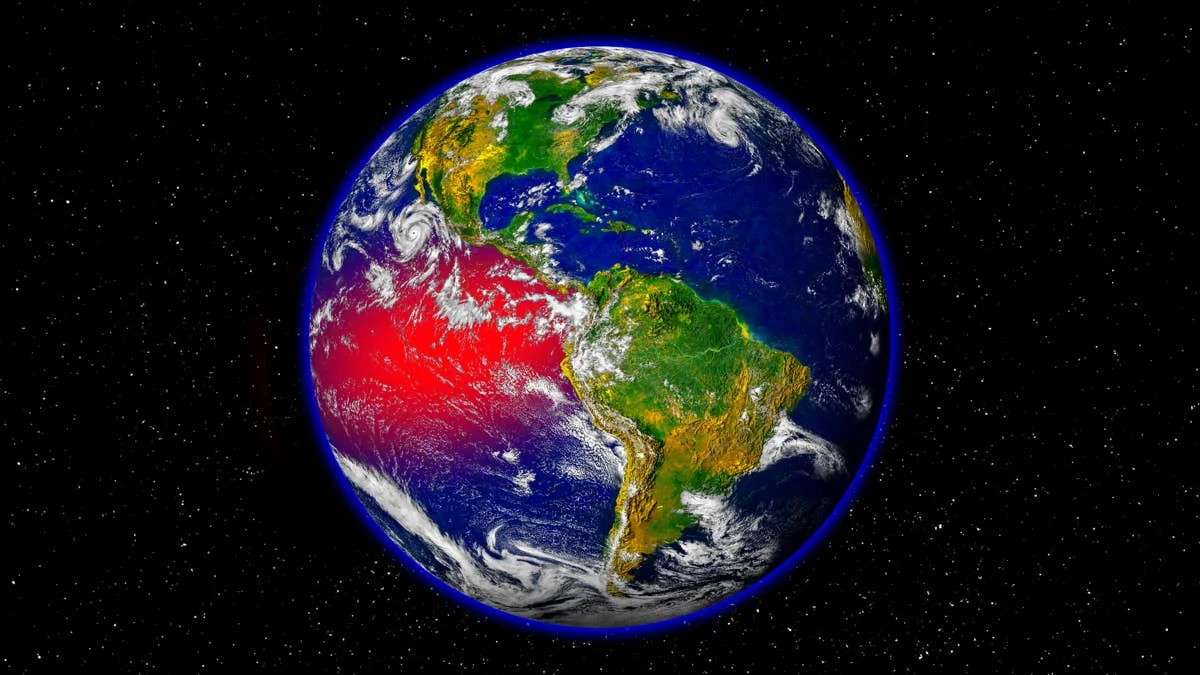
El Niño signifies more than just warmer waters; it represents a substantial alteration in global weather patterns. Essentially, this phenomenon results from weakened trade winds in the South Pacific, allowing seawater temperatures in the central and eastern Pacific to rise significantly. The ramifications are profound: these changes can shift the jetstream, altering storm tracks across the Pacific, which can lead to increased storm intensity and thus, bigger waves.
Surfers typically thrive during El Niño events. An uptick in storm activity often translates into more powerful swells, enticing surfers with the promise of larger and more challenging waves. For instance, the 2015-2016 El Niño catalyzed some of the most magnificent surf sessions on record, producing colossal swells that captivated the surfing community.
Defining the Terms: 'Super' and 'Godzilla' El Niños
While mainstream media has popularized terms like "Super El Niño" and "Godzilla El Niño," these aren’t recognized meteorological terms. Instead, experts categorize such occurrences based on the anomaly of sea surface temperatures. A strong El Niño is defined as when these temperatures soar to 2 degrees Celsius or more above the long-term average. Comparatively, a “Super” El Niño is merely an amplified assessment, lacking scientific legitimacy.
The last strong event recorded was indeed during 2015-2016, which resulted in widespread weather disruptions globally. Surfers witnessed extraordinary conditions during this period, from the renowned waves of Jaws and Maverick's to historic sessions at Waimea Bay. The term "Godzilla El Niño" emerged during this same timeframe, projecting the intensity and fear associated with this climatic event but ultimately serving more as a catchy headline than a scientific classification.
Regional Impact: Where Will It Hit Hardest?
El Niño's effects aren't uniform; they vary significantly by region. For those residing along the North Pacific, particularly in California and Hawaii, the forthcoming months could unleash significant swells. However, this phenomenon typically yields the opposite effect for regions like Australia and Indonesia, where high-pressure systems stifle storm activity and reduce swell production.
In Europe, the impact could diverge even further. Although El Niño generally suppresses tropical storm development in the Atlantic, other underlying factors can complicate the outcome. For surfers in Europe, anticipated high-pressure systems near Norway and Greenland may block incoming swells, leading to a less exciting surf season in the latter half of 2026.
Predicting the Future: How Certain is This El Niño?
While predictions from NOAA indicate a tangible chance of El Niño's emergence, it’s essential to temper enthusiasm with the understanding that climate predictions carry inherent uncertainties. As noted, complexities within the broader climate system, such as the transition from El Niño to La Niña conditions, can significantly shift outcomes. The July update from NOAA will be particularly telling, given the critical transitional phase between the warmer sea surface temperatures and subsequent atmospheric responses.
The anticipation surrounding a potential El Niño during this upcoming surf season warrants both excitement and caution. If you’re engaged in this space, it’s prudent to start strategizing for optimal surfing conditions based on emerging forecasts, while remaining flexible as the data evolves.
The real takeaway lies not just in the excitement surrounding El Niño but in how it personifies the intricate interplay between ocean temperatures and weather anomalies. Whether you’re hailing from the Western United States or simply analyzing the broader implications of climate phenomena, recognizing El Niño's patterns can enhance your understanding of global weather dynamics and the thrilling uncertainty they bring to surfing.