Slot's Departure Marks a Significant Decline in Premier League History
A Sudden Downfall: The Case of Arne Slot
Arne Slot's recent termination from Liverpool has left many in the football community astounded, marking one of the most drastic declines for a manager who so recently savored Premier League triumph. Slot took the reins from the beloved Jurgen Klopp and led the squad to a league victory in his debut season, yet he's now on the outside looking in just a year later. This situation begs an examination of what went wrong. Historically, Liverpool was considered a bastion of managerial stability—contrary to other clubs where swift management changes have become the norm. Take Chelsea, for instance. After enjoying similar success, they quick-fired three managers due to the towering demands from their then-owner, Roman Abramovich. Fans of Liverpool expected much more from a club long associated with permanence. Comparatively speaking, several managers have faced the axe soon after capturing league titles. Carlo Ancelotti was dismissed two seasons after leading Chelsea to a league and FA Cup double. Jose Mourinho’s second stint ended shortly after he secured the title, and even Antonio Conte was not spared despite winning the league and FA Cup within two seasons. Claudio Ranieri's case—a swift departure from Leicester City only months post their fairy-tale title victory—highlights that this isn’t uncommon. Yet Slot's case stands out. He was let go after a comfortable title win and an eye-watering £450 million in new signings. Fans first saw him as a composed tactician; an antidote to Klopp’s high-energy style. So, what turned a promising managerial debut into a swift end? The questions linger, especially considering that Slot’s squad was built on Klopp’s success. With a well-rounded team that had secured the title and only required minor tweaks, Slot appeared set for continued success. Liverpool’s fans initially embraced him, viewing him as a stabilizing figure amidst change. Now, the narrative feels almost tragic. Slot seemed to inherit a golden opportunity, yet failed to keep the momentum alive. His transition appeared effortless with only slight adjustments leading to a league title victory, leading many to wonder if he was merely riding on Klopp's coattails. A deeper exploration of Slot's managerial decisions reveals his efforts to implement a different playing style, emphasizing organization over chaos, which led to a smoother title race. But in the process, did he alienate the influential personalities in the dressing room? Mohamed Salah's decline in form and ultimate exit announcement suggests a rift had formed—a stark contrast to the camaraderie witnessed during Klopp's reign. As Slot’s tenure fades into memory, the intrigue surrounding how a title-winning manager could fall so harshly is a powerful reminder: in football, success is fleeting, and stability is often an illusion.What was meant to be a celebratory summer for Liverpool quickly shifted to tragedy. The vibrant title parade filled the streets with fans waving flags, but this joy turned to devastation when 54-year-old Paul Doyle deliberately drove his car into a crowd on Water Street, injuring over 130 supporters. The aftermath was catastrophic, leading to Doyle's sentencing of 21 years and six months after he admitted to a slew of charges including affray and multiple counts of grievous bodily harm.
Diogo Jota's Untimely Death
Then came the shocking news on July 3—a beloved member of the squad, 28-year-old striker Diogo Jota, was killed in a car crash in Spain alongside his younger brother, Andre Silva, who was just 25. Jota commanded a profound affection among Liverpool's players and fans alike, making his death a heart-wrenching moment for the entire club. His legacy lived on during matches, as fans would chant his song during the 20th minute, a tribute to the number he wore.
The emotional impact of this tragedy extends far beyond the pitch. While Liverpool's public displays of grief might have been muted, inside the club, those who worked closely with Jota are still grappling with the loss. It’s a burden that isn’t merely felt in terms of team performance; it’s a deep, personal hurt that has cast a shadow over the club's atmosphere.
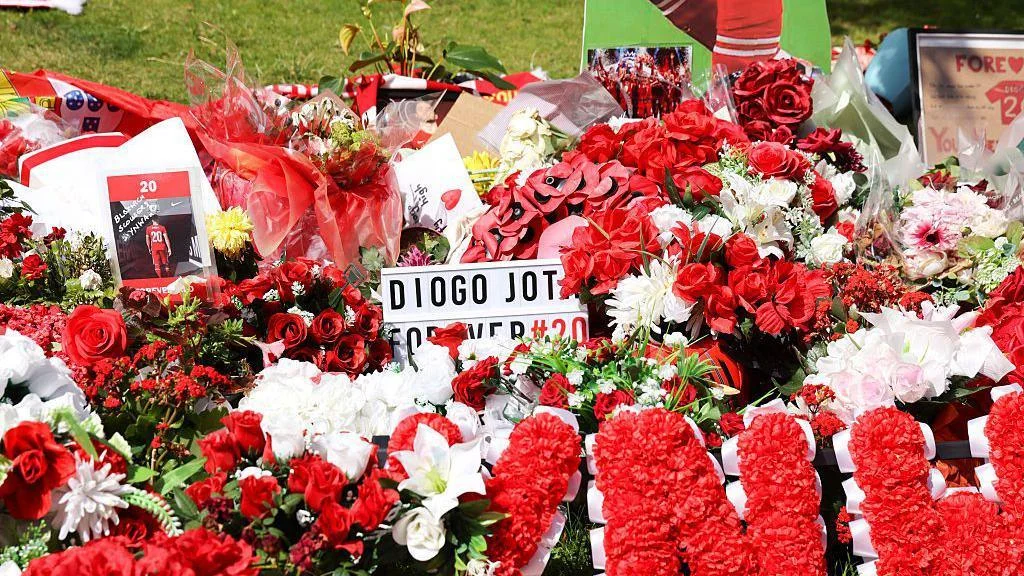 Image source, Getty Images
Diogo Jota's tragic passing has left an indelible mark on Liverpool.
This string of devastating events highlights not only the fragility of life but casts a stark contrast against the backdrop of what should have been a triumphant summer for Liverpool. The fans, filled with hopes of a continued legacy, are now faced with a significantly altered reality—one tinged with sorrow and loss.