Why Ricardo Blandon’s Cut Required Stopping the Fight Against Rafael Espinoza
A stoppage shaped by the injury
The decision to stop Ricardo Blandon’s fight with Rafael Espinoza turned on what the wound threatened, not how it looked after the bleeding eased. Ringside doctor Neil Scott says the cut exposed blood vessels above Blandon’s eye and left his vision obscured, raising the risk that another punch could trigger a severe bleed. That distinction matters in boxing, where a wound is assessed in real time, under the possibility of further impact, rather than by how manageable it looks once the action has ended.
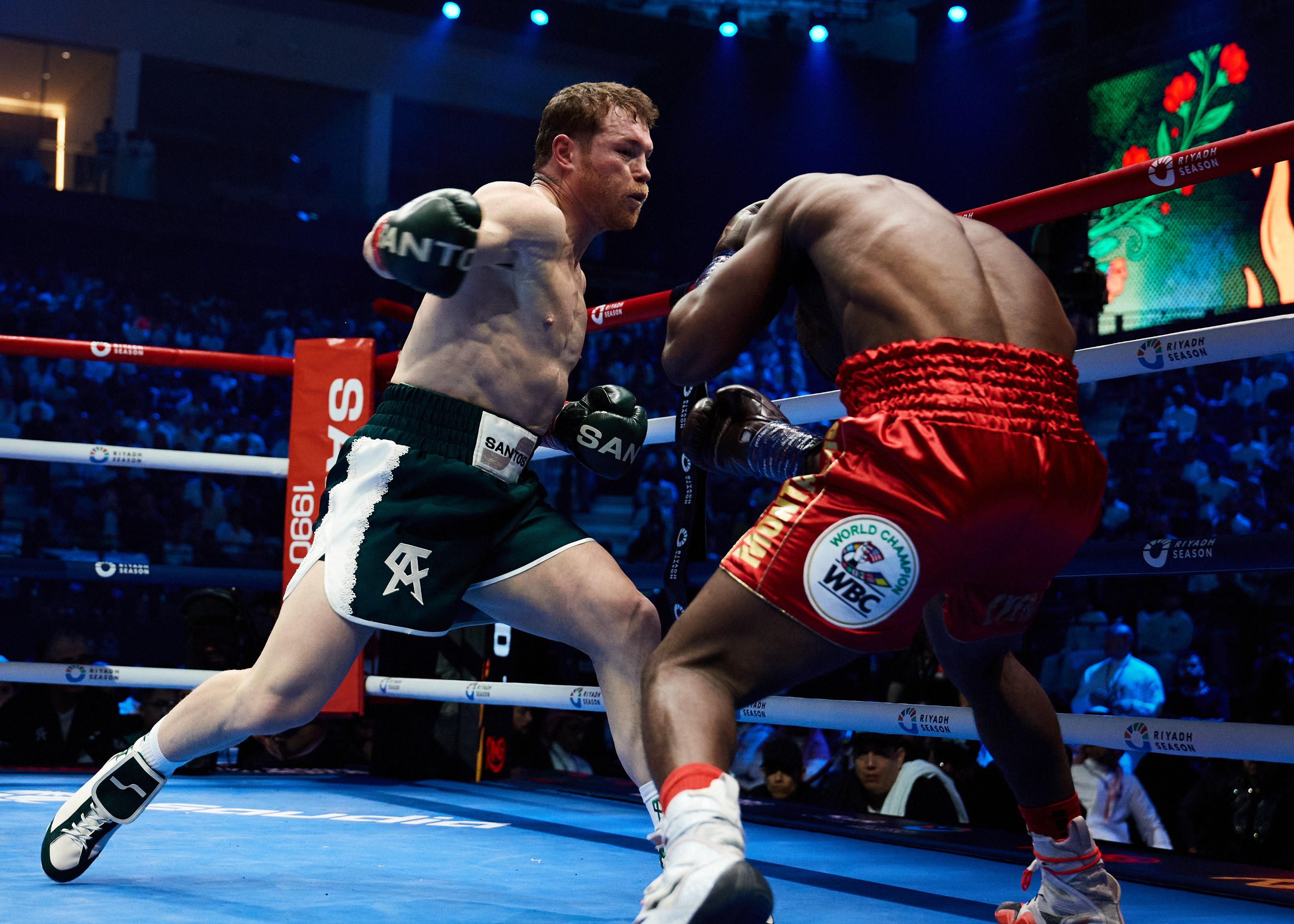
The bout for Espinoza’s WBO featherweight title took place in Riyadh, Saudi Arabia, on the undercard of Saul “Canelo” Alvarez’s win over Christian Mbilli. Blandon, a Nicaraguan late replacement, had accepted the fight days earlier after Lorenzo Parra withdrew. With just under two minutes left in the third round, Espinoza landed a right hand that opened the cut. The short notice is part of the bout’s context, but the medical decision centered on the injury Scott saw at ringside.
The risk was beneath the surface
Scott examined Blandon from a neutral corner after referee Janny Guzman initially directed him toward the red corner. The surgeon, a facial trauma specialist and former chief medical officer of the British Boxing Board of Control, said the wound was deep enough that he could see bone. Depth alone, he explained, doesn’t automatically mean a fight must end. The relevant question was what structures had been damaged and whether Blandon could safely see and defend himself.
“If we can, we will always give a corner a chance to work on the wound,” Scott told BoxingScene. “Unless the injury is unmanageable.”
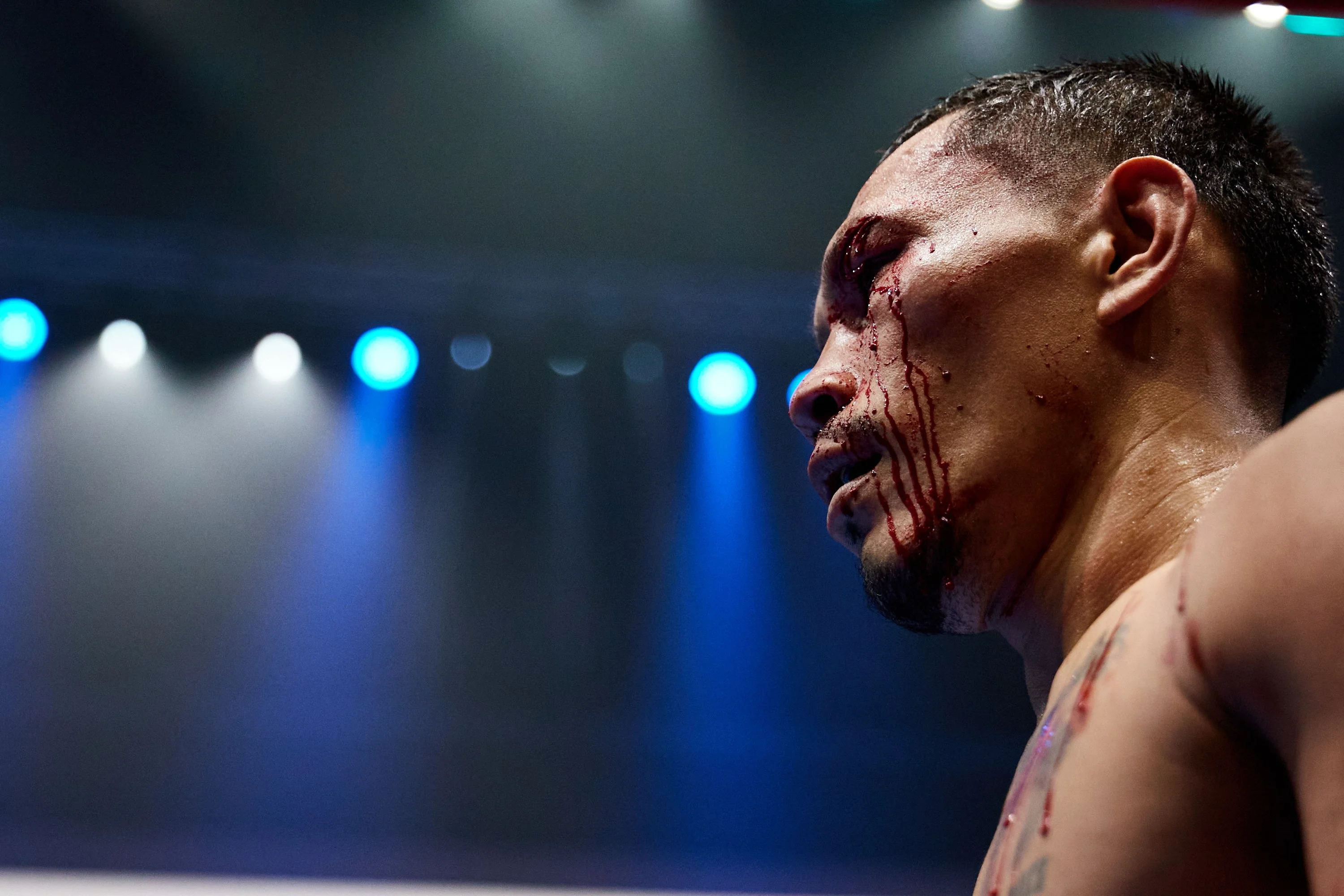
Here, the position of the cut made the difference. It sat below Blandon’s eyebrow, extended onto his eyelid and crossed the area above his eye socket. Scott said the brow muscle had been torn down to bone and the supraorbital blood vessels were exposed. Blood covered the white of Blandon’s eye, impairing his sight. A corner can address bleeding and protect a wound, but those measures can’t undo the immediate concern Scott described: an exposed vessel in an area likely to face more punches.
“One more punch and he would have had an arterial bleed,” Scott said.
Scott was ringside in Riyadh after travelling 26 hours from his home in Wales. That vantage point mattered as DAZN commentators Chris Mannix and Malik Scott, watching from a London studio, questioned the stoppage. They argued Blandon could have been allowed to finish the round while his corner treated the cut, and raised doubts about Scott’s boxing experience. The disagreement highlights a familiar problem in televised boxing: viewers see the wound, but they don’t have the same access to an examination or the same view of how it affects the fighter.
Why the appearance can mislead
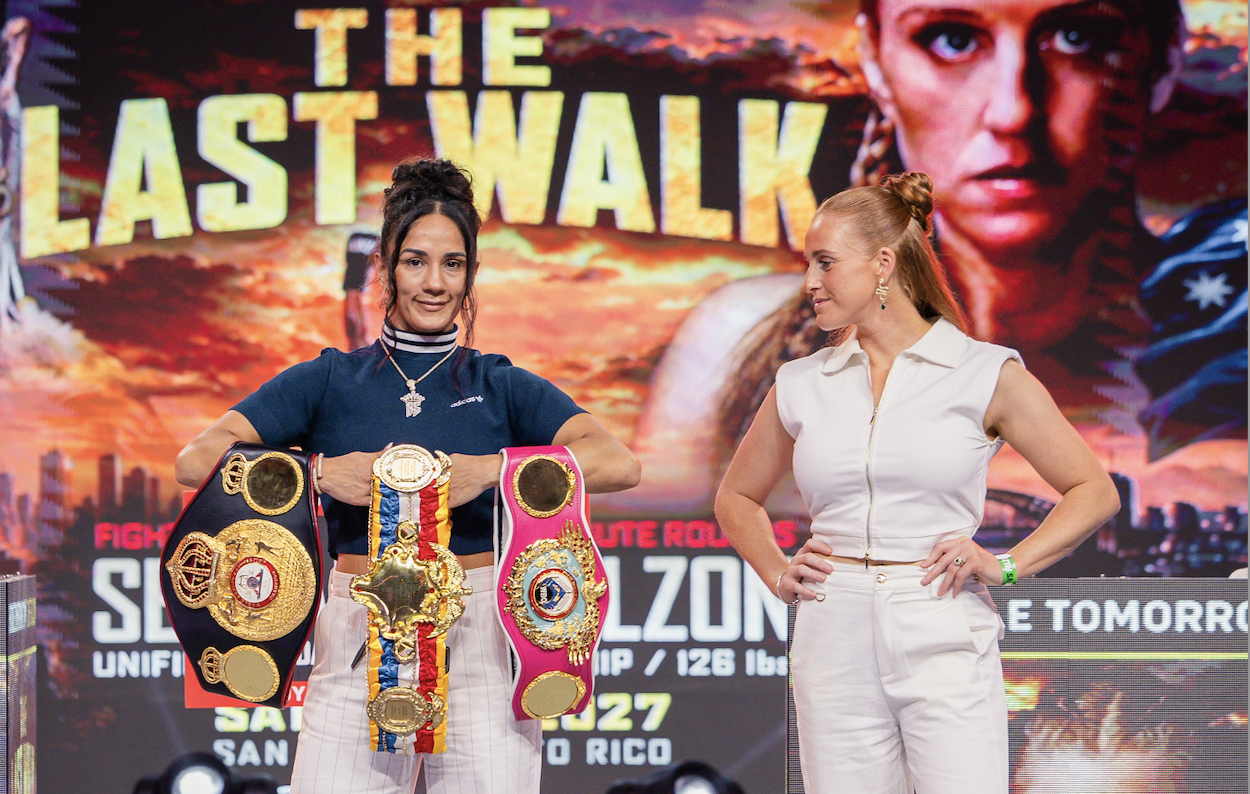
A cut’s location can matter more than its visual severity. Scott pointed to Amanda Serrano’s wound in her rematch with Katie Taylor: gruesome in appearance, but confined to the eyelid and unlike Blandon’s injury in the risks it presented. Serrano’s cut did not carry the same concern about lasting damage. The comparison is useful because it shows why appearance alone can lead to a poor judgment: two cuts near the eye can look similarly alarming while involving different tissue and risks.
After Blandon’s fight was stopped, Vaseline helped slow the bleeding. That prompted renewed claims that the bout could have continued. But a dressing applied after the action ends doesn’t show what another clean punch might have done to exposed vessels. The question isn’t simply whether the blood can be controlled between rounds; it’s whether the injury remains safe under the conditions of the fight.
What the dispute says about ringside judgment
Scott has earned trust in boxing through work that includes treating Oleksandr Usyk after his cut against Anthony Joshua in 2021. His account of Blandon’s injury makes the central judgment clear: with vision compromised and blood vessels exposed, the danger wasn’t captured by the wound’s appearance once it had been treated. This is more significant than it looks. A stoppage can be unpopular in the moment, especially when the audience sees a corner treatment that appears to work, but the ringside doctor has to judge the next exchange as well as the current one.
Here’s the thing: the decision is difficult to evaluate from a broadcast alone. The doctor’s explanation provides detail that viewers may not have seen, while the commentators’ questions reflect how quickly a stoppage can appear premature when the bleeding slows. (And this is the part most people overlook.) In boxing, the medical decision concerns not only the injury already sustained, but the likely consequence of allowing more contact.
If you’re working in this space, the episode is a reminder that clear explanations matter after a disputed stoppage. That said, no explanation can make the call feel satisfying to every viewer. The central facts Scott describes are specific: the cut crossed the area above the eye socket, the vessels were exposed, and Blandon’s sight was impaired. The fight ended on that assessment. A safer decision, even one that looks debatable on screen.