Women’s Surfing in Scandinavia Grows Through Community, Visibility and Equal Time
At Surf Fest Scandinavia, women weren’t waiting for a place in the lineup. They were already there in force: at the festival’s longboarding competition, the women’s division filled before the men’s, and on the final day, women made up most of a small group of freesurfers in the water. That shift offers a useful lesson for surf communities elsewhere: representation grows when events, role models and everyday routines make participation possible.
The annual gathering in Stavanger, Norway, brings Nordic surfers together for a weekend of surfing, music and community. Its intimate scale is part of the appeal, but the more significant story is how visible women have become across the event: as competitors, photographers, judges, commentators and members of the local surf scene. The festival doesn’t explain every change in Scandinavian surfing, yet the people who return each year see it as one reason the community has changed.
Surf Fest Scandinavia
A fuller women’s division
The weekend began with a skippers’ meeting, where competitors and judges discussed how waves would be scored. Later, surfers gathered to watch films by Swedish filmmaker Jonis Strömberg and Norwegian filmmaker Felix Golden. Their screenings, Two Days Before the Mingle and Nordic Rippers 2, sent the crowd toward the water with images of powerful waves fresh in mind.
The programme also included Ayo!, directed by Maddie Meddings and Marsela Arnanda. The film follows women in Indonesia learning to swim and surf with the nonprofit OceanFolx. Its focus on access and community echoed a question hanging over the festival: what does it take to make surfing feel open to more women?
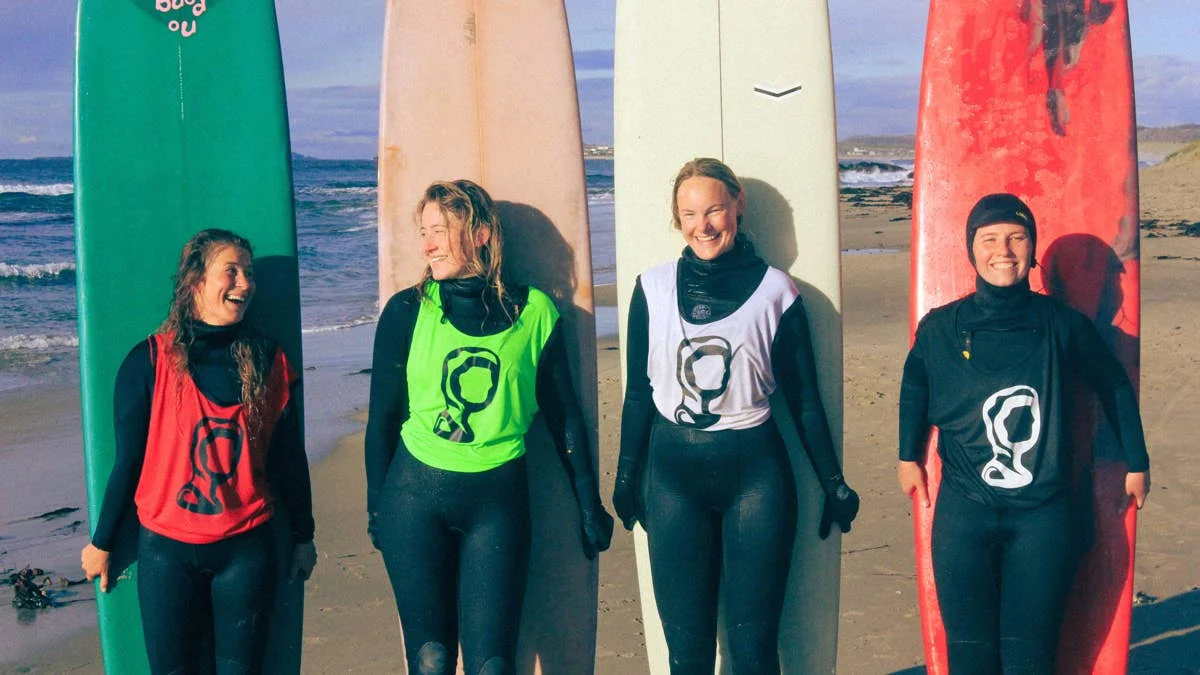
Swedish musician and surfer Sara Bjurbäck, who has attended Surf Fest repeatedly, pointed to this year’s and last year’s competition entries. “The women’s division filled up right away this year and last, while the men’s didn’t,” she said. In a contest centred on traditional longboarding, that meant more women entered than men.
Bjurbäck sees a connection between longboarding’s growing appeal among women and how families share time. “Maybe it’s because men and women split childcare here, so both dads and moms take turns watching kids on the beach, allowing both men and women to have the time to progress with their surfing.” It’s a practical observation: access to the lineup depends partly on who has the time and support to get there.
Surf Fest Scandinavia
Visibility builds its own momentum
Norwegian photographer and surfer Runa Andersen has watched the local scene change since arriving in the area in 2014. Based in Jæren for more than a decade, she saw that women surfing were often missing from the photographs that helped define the sport’s public image. “I noticed no one in the surf took photos of the girls, and I wanted to change that,” she recalled. “I wanted to put the Norwegian women surfing into the history books as role models.”
Andersen is now working on Queens of the North, a photobook documenting female cold-water surfers. The project addresses a simple but consequential gap: if women aren’t shown in the record of a sport, it’s harder for the next generation to picture themselves in it. Photography can’t solve every barrier, but it can make existing participation visible and give local surfers figures to look up to.
Strömberg, who competes at the festival, described the effect of a more balanced lineup in everyday terms: “It’s always so nice to have more girls in the lineup. It just makes the vibe less aggressive and better in general.” He also credits contests where men and women receive equal celebration with influencing who the local community admires.
That visibility reaches beyond the surfers themselves. At Surf Fest, both women and men took on commentary and judging roles. That matters because representation isn’t only about who catches waves; it also shapes who gets to describe a performance, assess it and help set the tone of an event. When women are part of those roles, the festival presents them as contributors to the sport’s culture as well as its competitors.
Surf Fest Scandinavia
Cold-water gear still has room to improve
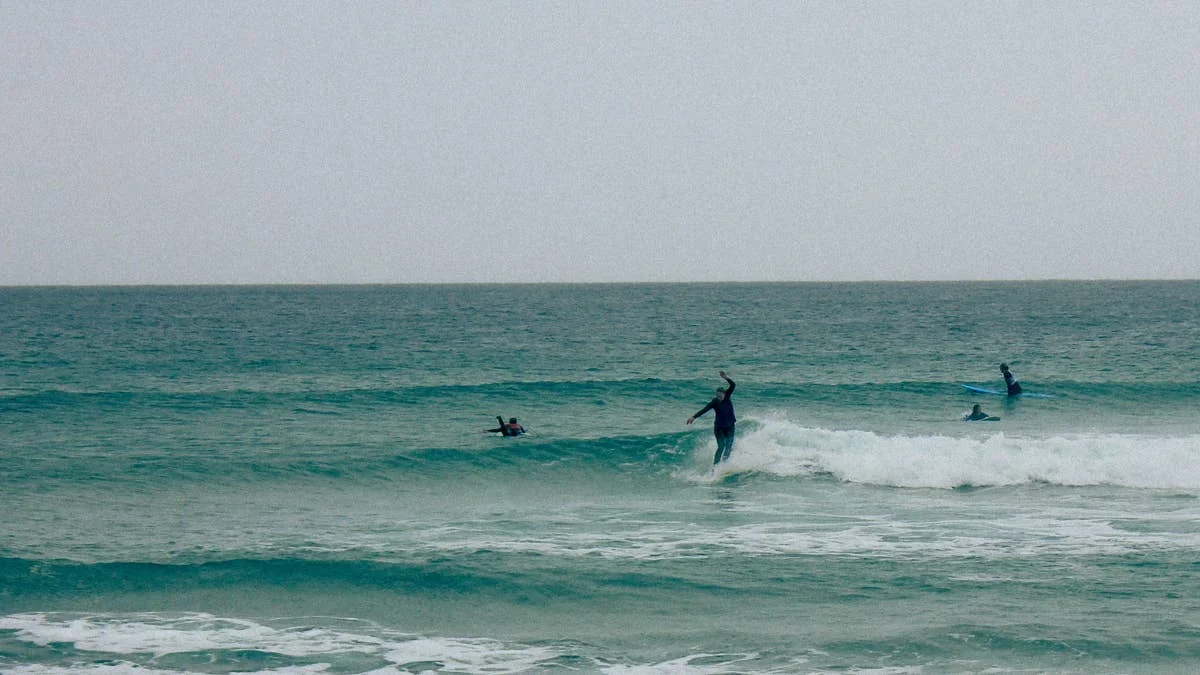
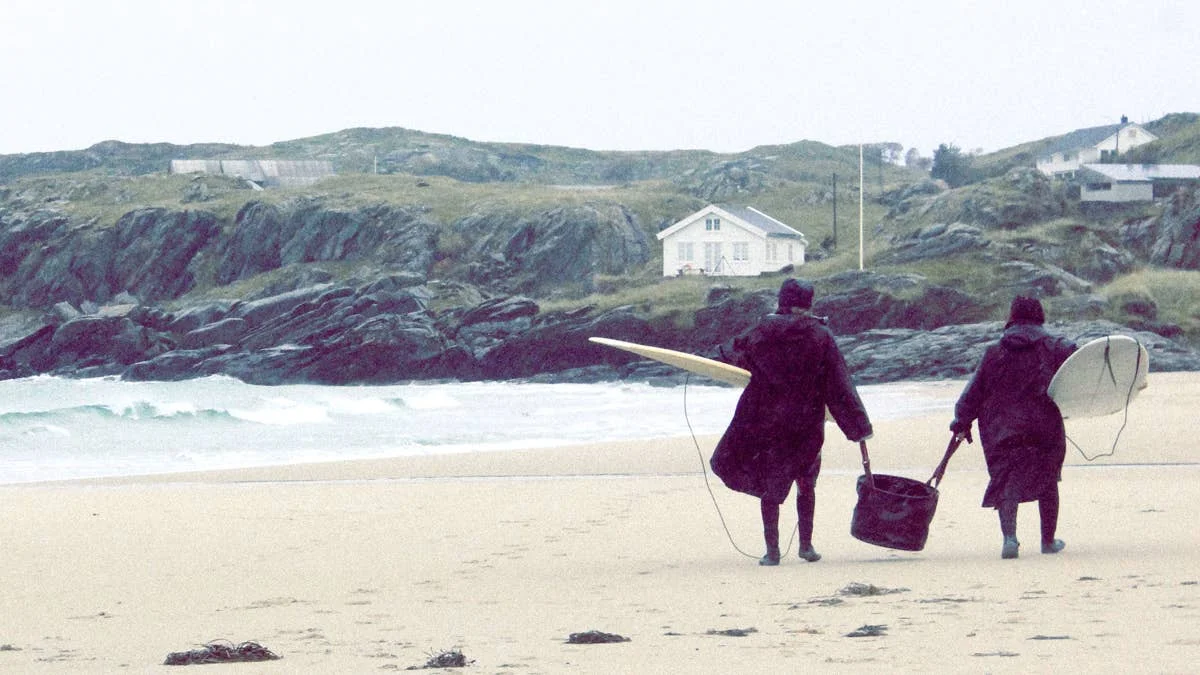
Progress in participation doesn’t mean the experience is equal in every respect. On the competition’s final day, surfers arrived at Magne in hats and scarves, pulling on wetsuits beside a farmer’s field full of cars and boards. From a makeshift beach sauna, spectators watched competitors glide through sizable, glassy waves.
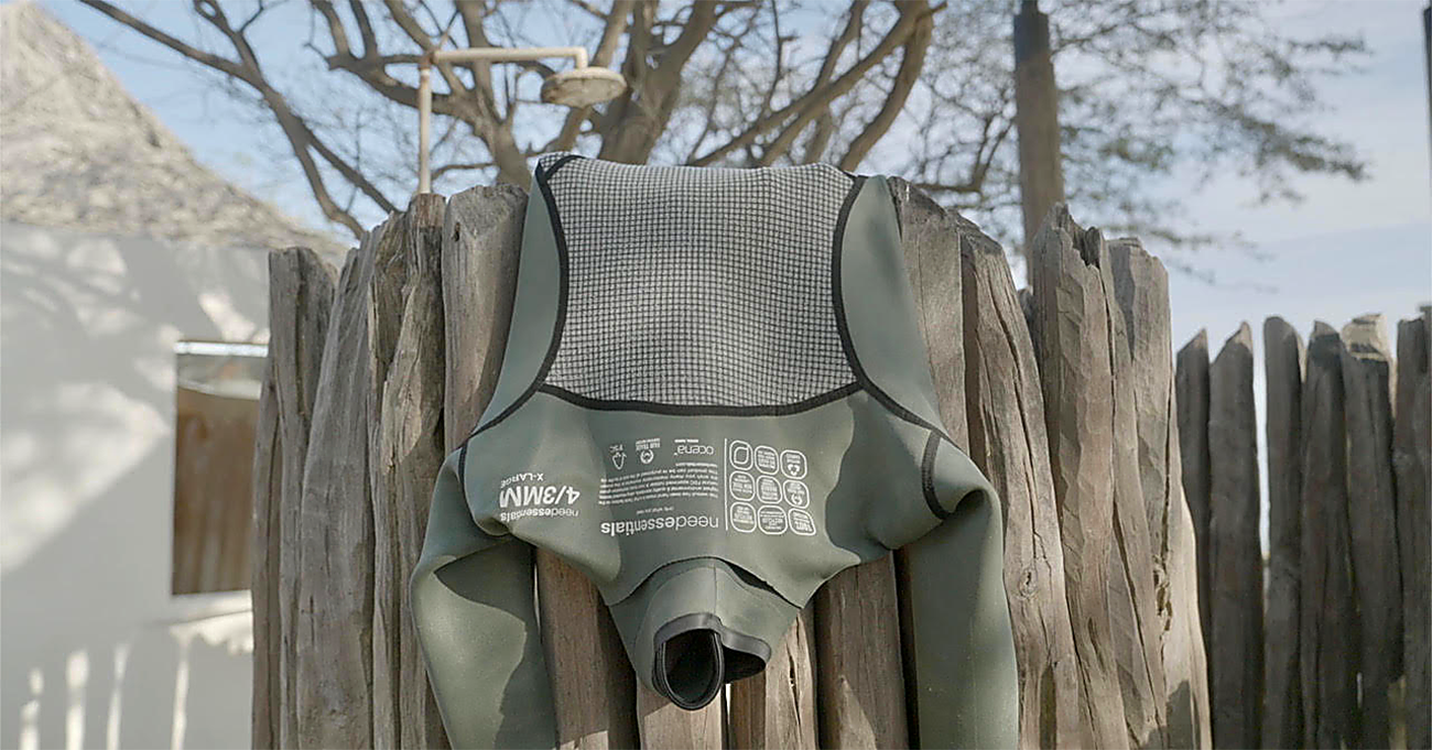
Swedish surfer Felicia Johnson raised a barrier that is less visible than the lineup but directly affects time in the water: wetsuit design. “Men’s wetsuits offer way more range,” she said. She wants the industry to provide better options for women surfing in cold conditions and to showcase the women already riding those waves.
Her point links equipment to representation. A growing community needs gear that fits its members’ needs, while visibility can encourage more people to join. For surfers in cold-water regions, wetsuits are essential kit; a limited range can make it harder to find equipment that works for different bodies and conditions. The article offers no count of available models or comparison of their performance, but Johnson’s experience makes the gap worth attention as women’s participation rises.
Events set the tone
The festival’s results offered a snapshot of the level of competition. In the men’s division, founder Lové Berggren won with a combined 14.33 points. Denmark’s Johan Vinkel Sisgaard placed second, followed by Norway’s Jonas Karlsen. Johnson took the women’s title with 9.50 points. Norway’s Ane Mari Engvik finished second, Bjurbäck third and Norway’s Lisa Berglind fourth.
After the finals, competitors hurried home for hot showers and food before the awards and closing party at Maskinhuset, Solastranden Gård. The festival’s influence, though, was a recurring topic well beyond the podium. Strömberg said Berggren’s emphasis on equality and representation helped shape what the community values. “When people like Berggren, who the community looks up to, put such an emphasis on equality and representation in the lineup, the rest of the community really respects that, and it trickles down.”
He also named Surfbrudar, a Swedish group that organises trips and events for women surfers, as part of that support system. Events and groups like these give women chances to surf together, see peers performing at a high level, and build connections. The effect is cumulative: more visibility can draw more participants, whose presence then makes women’s surfing harder to overlook.
Making participation ordinary
The morning after the competition, women were back in the water while a group of fathers sat with their children beside a beach fire. The scene put Bjurbäck’s point about shared childcare into view. Time in the lineup is shaped by the arrangements on shore, and a community that makes room for parents to share those responsibilities makes room for more surfers to keep progressing.
What stands out about Surf Fest Scandinavia isn’t only that women entered in strong numbers. It’s that their presence appeared ordinary to the people around them. The festival has helped create that feeling through equal attention in competition, visible women in leadership and media, and a community where surfing can fit around family life.
The remaining work is concrete: keep creating events where women are celebrated, tell the stories of the surfers already in the water, and make cold-water equipment work for a wider range of people. As women’s participation grows, the measure of progress will be whether the sport’s culture and gear keep pace with the surfers building its future.