Zoe Grospiron Rediscovers Surfing Beyond Competition
Zoe Grospiron’s strongest competitive season brought an unexpected result: she stopped enjoying the thing she’d spent years pursuing. In 2024, the French longboarder won her first Longboard Qualifying Series event, reached her first World Longboard Tour final and finished sixth in the world. The results were milestones. The satisfaction never arrived.
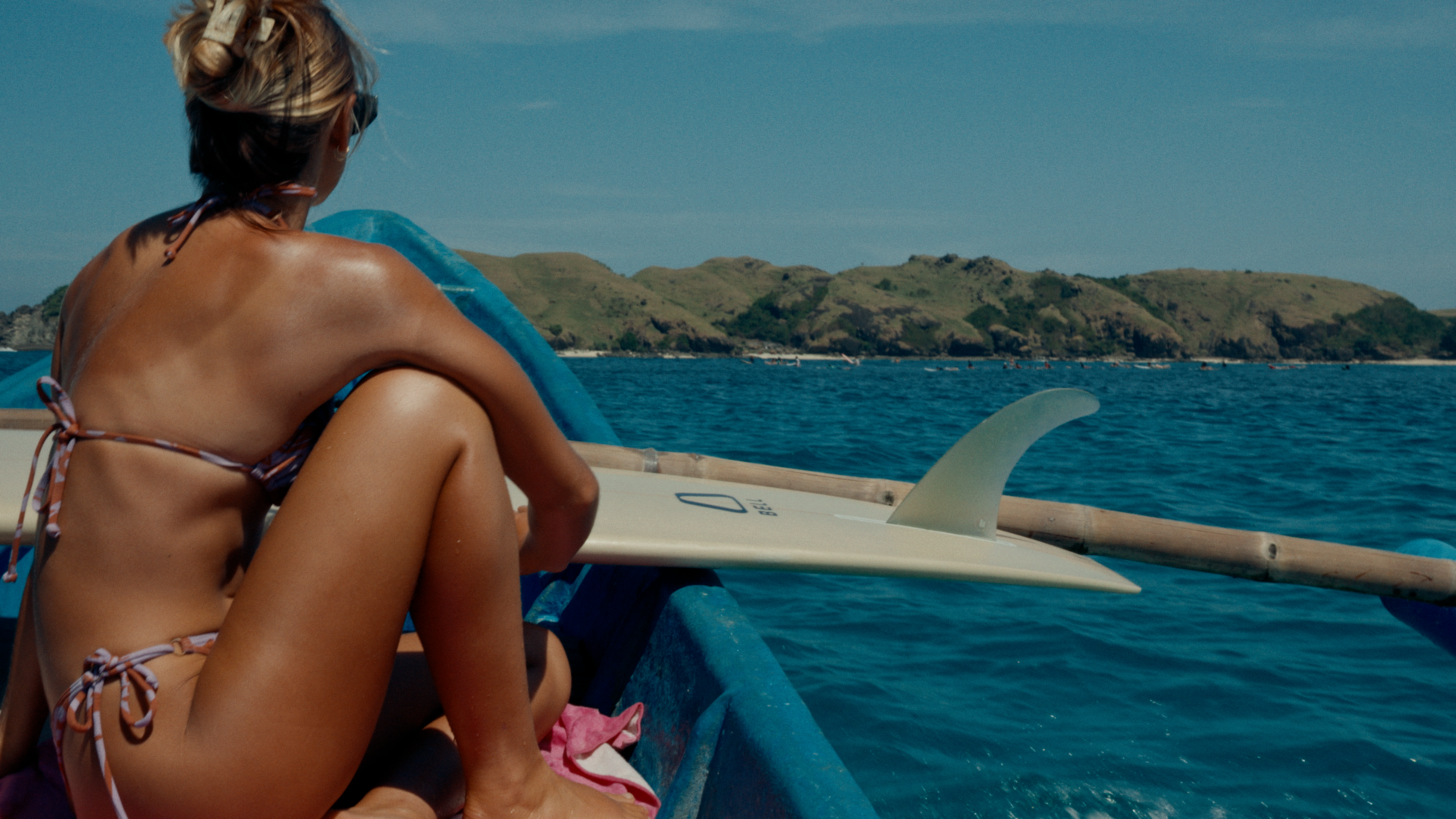
She sat out the 2025 tour to find out what surfing meant without heats, rankings and the pressure to keep improving. Her short film Unfolding, made with filmmaker Thibault Montoni, follows that reset through Indonesia: different boards, freer lines and time spent getting to know the places and people around the waves.
Learning to surf without a score in mind
Grospiron’s competitive instincts took shape early. She grew up in the French Alps and raced skis from the age of seven. As a teenager, she moved to Biarritz, began surfing and soon entered competitions there too. By her mid-20s, she’d moved from one demanding circuit to another with little time to ask who she was outside it.
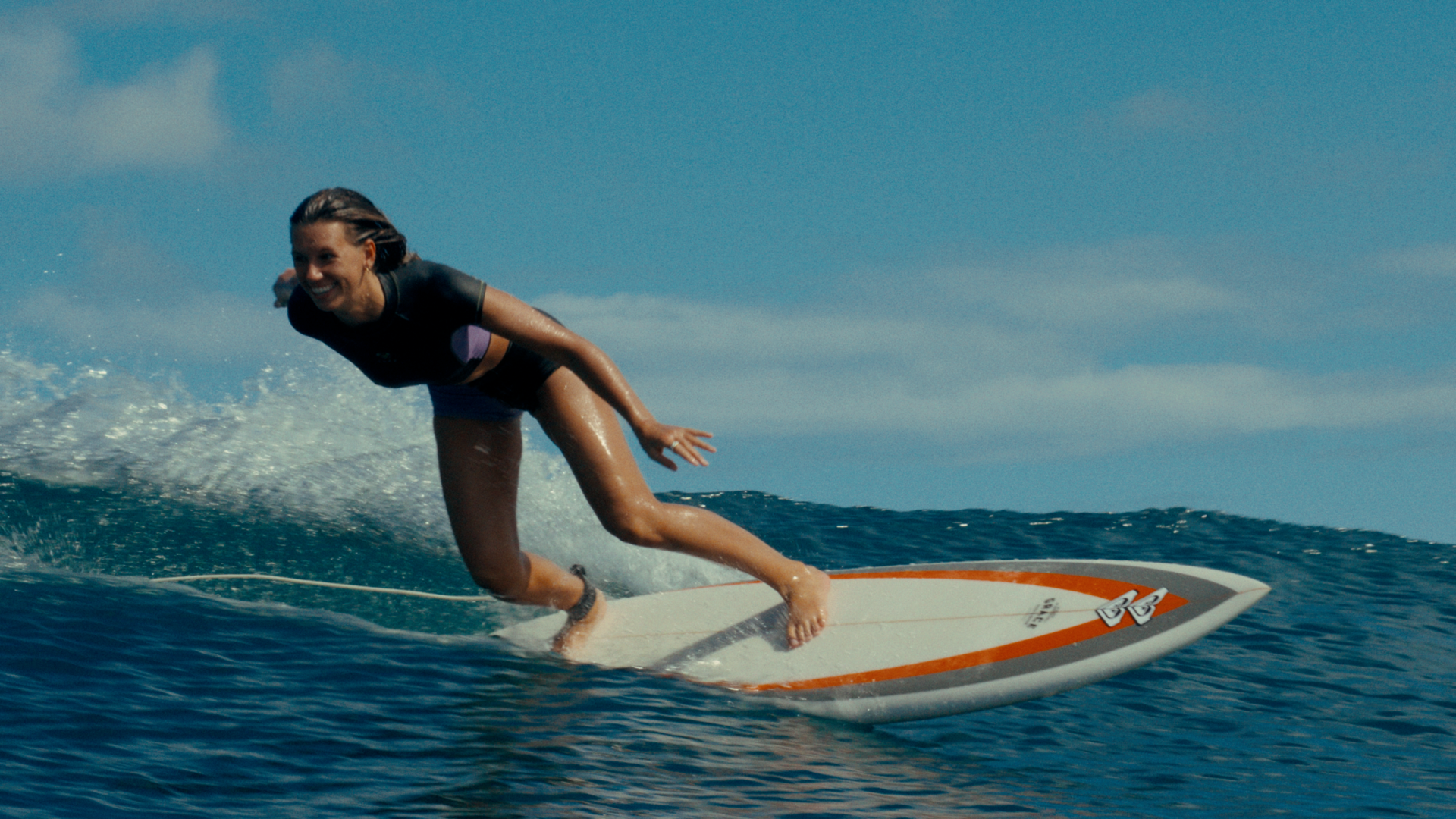
“I was constantly pushing my limits, and eventually I lost the love of surfing,” she said. After taking a break, she returned with a different aim: “Instead of thinking about what I should have done on a wave, I wanted to dance with the wave.”
That shift also changed how she wanted to travel. Tour stops offer brief windows to learn a break, and competitors often spend those days training, surfing heats and staying close to the event. For Grospiron, the circuit’s pace left little room for the local conversations and discoveries she now sees as part of surfing.
Thibault Montoni
“You travel to amazing places, but you’re only there for five days,” she said. “You surf the same spot at different times, but you never connect with the locals or explore because you want to spend as much time as possible getting to know the wave.” She said she’d visited many places without learning much about their people, food or culture.
Her travels through Indonesia, Australia and New Zealand gave her more time to build those connections. They also created distance from the contest schedule and its steady measure of success. Grospiron said she had felt that competition crowded out the exploratory side of surfing: “gathering, sharing and connecting.”
Finding an identity outside results
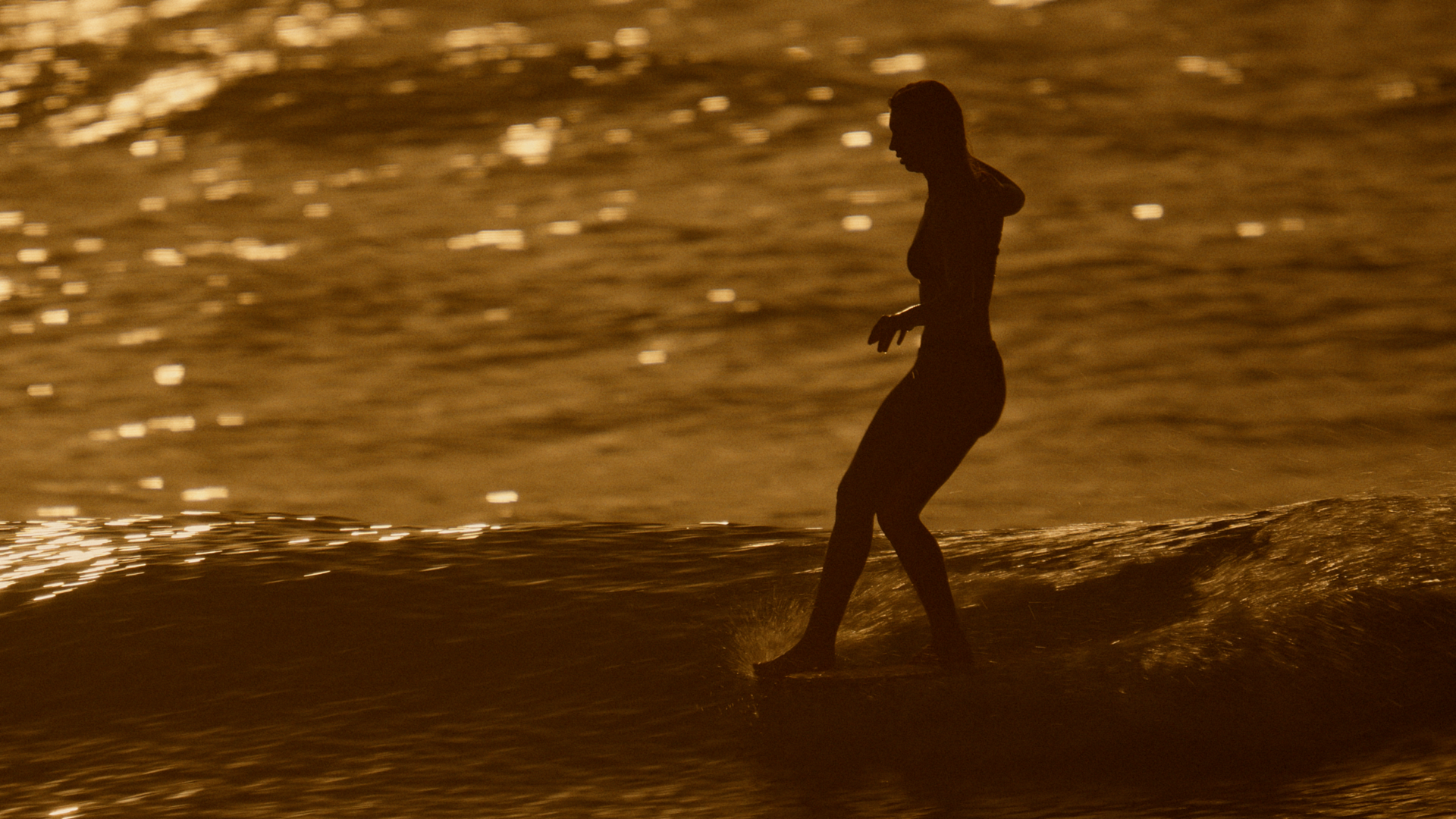
The pause brought a more personal question into focus. Having moved straight from ski competition into surf competition, Grospiron had rarely built an identity apart from performance. When she stopped, she said, “I felt lost, I wondered who I was.”
Thibault Montoni
She had also tied belonging to results, believing people would care about her because she won. “But that’s not really how it is,” she said. Away from the tour, she’s begun to feel more secure in what she wants and to recover the creative instincts she’d lost.
“It wasn’t a new me; it was another layer that I took off,” she said. Underneath, she found “the little Zoé” who loved nature, the ocean and surfing.
Thibault Montoni
A possible return on different terms
Grospiron hasn’t ruled out competition. Longboarding leaves room for a return later in a career, she noted, with surfers winning world titles in their 40s. But the thought of putting on a jersey and stepping back into the tour mindset currently feels exhausting.
If she does compete again, she wants the experience to centre on enjoyment and shared waves. “If I put the jersey on, it’s to have fun, smile, share waves and enjoy myself,” she said. “If I get a score, then we can dance together. If not, that’s okay.”
She knows what she doesn’t want: a return to the habits that cost her the joy of surfing. Any future campaign, she said, would bring different expectations, training and ways of riding. For now, Grospiron’s clearest measure of progress is simpler than a result: whether she can meet a wave with curiosity and leave it still loving the sport.