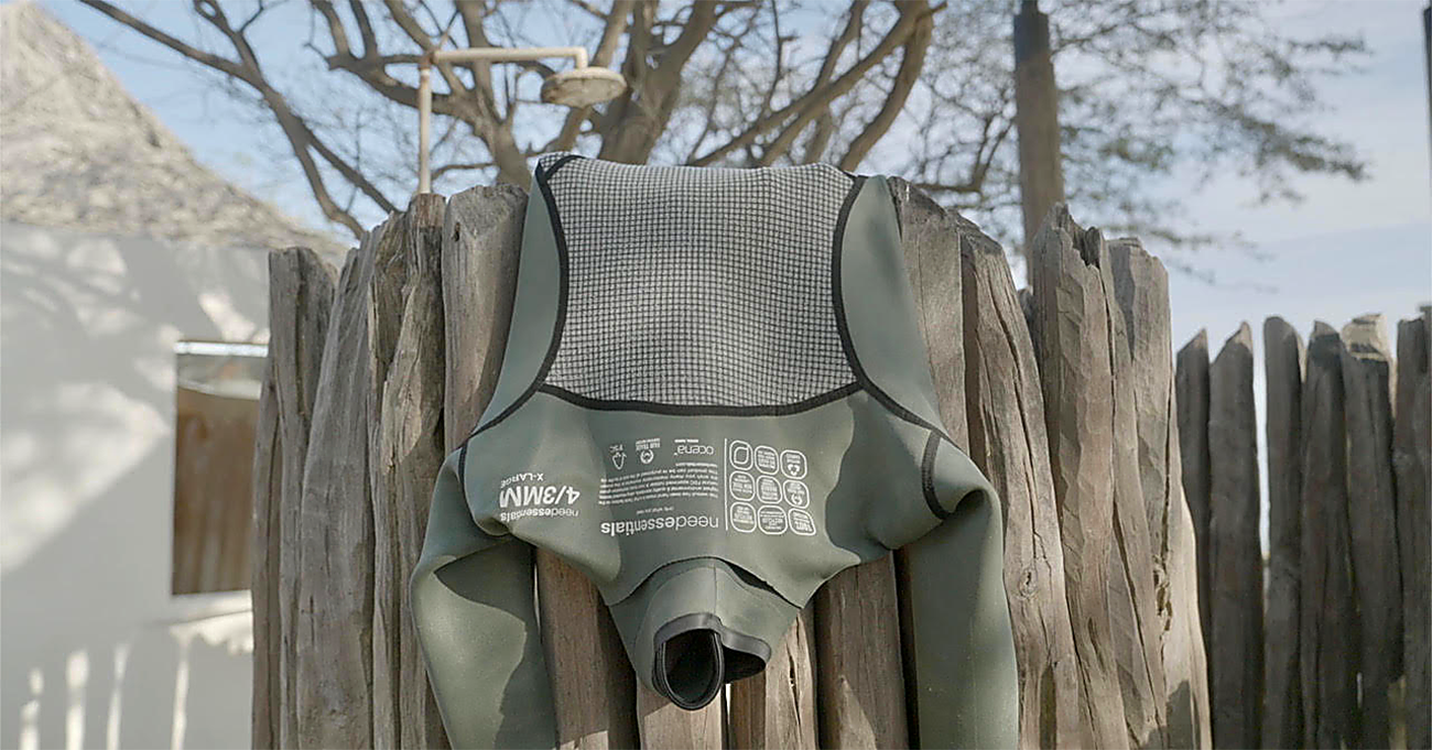
Born Slippy’s €1,295 Custom Wetsuit Bets on Fit, Warmth and Limited Production
Born Slippy’s Aptus 1.0 puts a sharp question to surfwear buyers: can custom fit and a new insulation design justify a €1,295 price tag? Founder Charles Gadsdon is betting that 1,000 customers will say yes, though the production cap also makes the size of that bet clear. The men’s and women’s suits come in 5/4, 4/3 and 3/2 thicknesses, placing them among the most expensive wetsuits on the surf market. Buyers aren’t just paying for warmth; they’re being asked to trust a new brand’s materials, fit process and construction at a premium price.
Gadsdon’s case rests on combining features that already exist separately: custom sizing, Yamamoto neoprene and alternative thermal technology. “It’s not about one standout feature, but bringing everything together without compromising on the specification,” he said. That combination is the product’s central promise, but it also makes the case harder to assess: customers will need to decide whether the whole package performs well enough to justify the cost. The price, he argues, reflects the materials, craftsmanship, individual fit and technical construction. Those are tangible inputs; the harder question is how much difference they make after repeated sessions in cold water.
A production cap with a point of view
Each suit will be individually numbered, and production stops after the 1,000th Aptus 1.0 ships. That limit may add a sense of scarcity, but Gadsdon frames it as a challenge to the industry’s focus on volume. His stated principle is “Fewer. Better”: make fewer products and put more into each one. It’s a clear brand position, though the cap alone can’t establish quality; that depends on what owners experience over time.
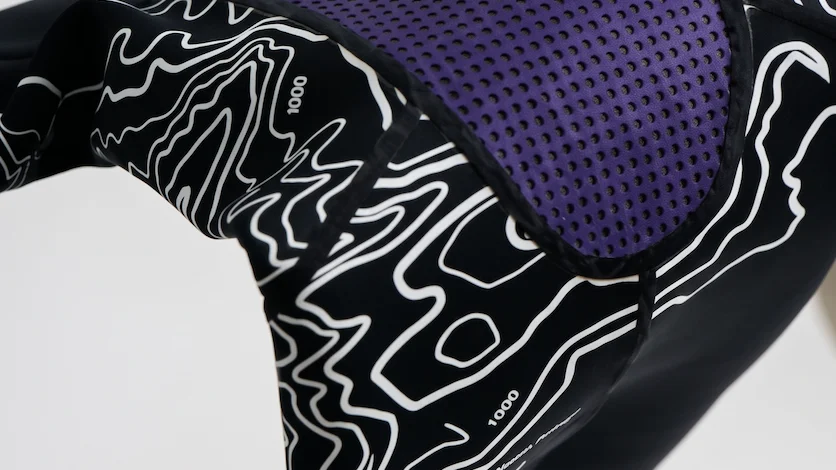
Born Slippy
The idea grew out of Gadsdon’s move from the music business, where he spent two decades working with Apple, Google, Nike, Coca-Cola and Samsung. An ocean lover, he began researching wetsuits and spoke with young athletes at the 2019 World Junior ISA Games in Huntington. One competitor told him, “I’m an athlete. I just want the best equipment.” The comment gave Gadsdon a practical lens for the project: start with what a surfer needs in the water, then consider what the product should be made to deliver.
Gadsdon had initially explored sustainability. That conversation led him to focus on performance instead, while holding onto the view that the two goals shouldn’t have to conflict. The result is a high-spec suit made to order, with limited production built into the product’s premise. That pairing leaves the brand with a test beyond its environmental intentions: whether a premium, made-to-measure product can offer enough useful performance to earn repeat trust from surfers.
Warmth is the test
Andrew “Cotty” Cotton, Born Slippy’s founding athlete and partner, has tested the suits and provided technical feedback. He says the first model felt “like having a radiator against your chest.” Testing in Devon and early-season Nazaré has also impressed him. The lining, he says, feels lighter and warmer than standard fleece. His experience gives the launch a credible user perspective, but it’s still early evidence from an athlete closely connected to the brand.
Born Slippy calls the design Micro-chamber thermal insulation. Hundreds of shallow pockets line the suit’s interior. A small amount of water enters and settles in those chambers near the skin, where body heat warms it. The proposed mechanism is easy to understand: retain a thin layer of water close to the body and let the wearer’s heat warm it. The value will depend on how that system feels across different conditions and sessions, not simply on the presence of pockets in the lining.
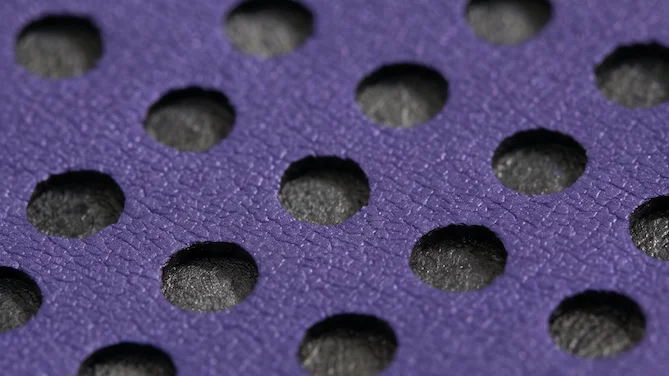
The concept enters a market already familiar with thermal linings and technical claims. Rip Curl sells E-Dry Thermal Lining, while Quiksilver uses PrimaLoft® bio stretch. That context matters because Aptus 1.0 has to compete with products buyers can compare, rather than with an abstract idea of warmth. The question for Aptus 1.0 is whether its chambered lining delivers a meaningful difference in warmth and comfort over established options. Here’s the thing: a striking interior design can help explain the pitch, but the suit’s value will be judged on how it performs in use.
Custom fit, with durability still to prove
Made-to-measure wetsuits have precedent. Japan’s Axxe sells handcrafted custom suits for $750 to $1,000, while UK maker Snugg has produced made-to-measure suits for decades, with a stronger presence in triathlon. California’s 7TILL8, another custom brand, closed in March after eight years. Those examples suggest that custom sizing is a known proposition, but it doesn’t guarantee that a business can sustain itself or that every buyer will find the extra cost worthwhile. The format may appeal to surfers accustomed to ordering custom boards, but fit alone won’t sustain a premium product.
Cotton says long-term success will depend on performance, comfort and durability. For now, his early testing is encouraging; wider use will show whether the insulation holds up and whether the fit and construction earn their price. Wetsuits face repeated exposure to stretching, water and use, so durability is part of the product’s performance, not an afterthought. If you’re working in this space, that’s the question to watch: whether owners still rate the suit highly after the novelty and first impressions have worn off.
Gadsdon says Born Slippy won’t chase O’Neill, Rip Curl or Billabong on volume. The company’s bet is narrower: that enough surfers will pay for a suit built around their measurements and a warmer ride. This is more significant than it looks. A limited run gives the company a defined first audience, but it also means the case for the product rests on what those customers experience and say about it. And yet, early enthusiasm isn’t the same as a long record of use. Durability, comfort and warmth over time.