Venezuela Earthquake Shakes Local Surf Communities To The Core
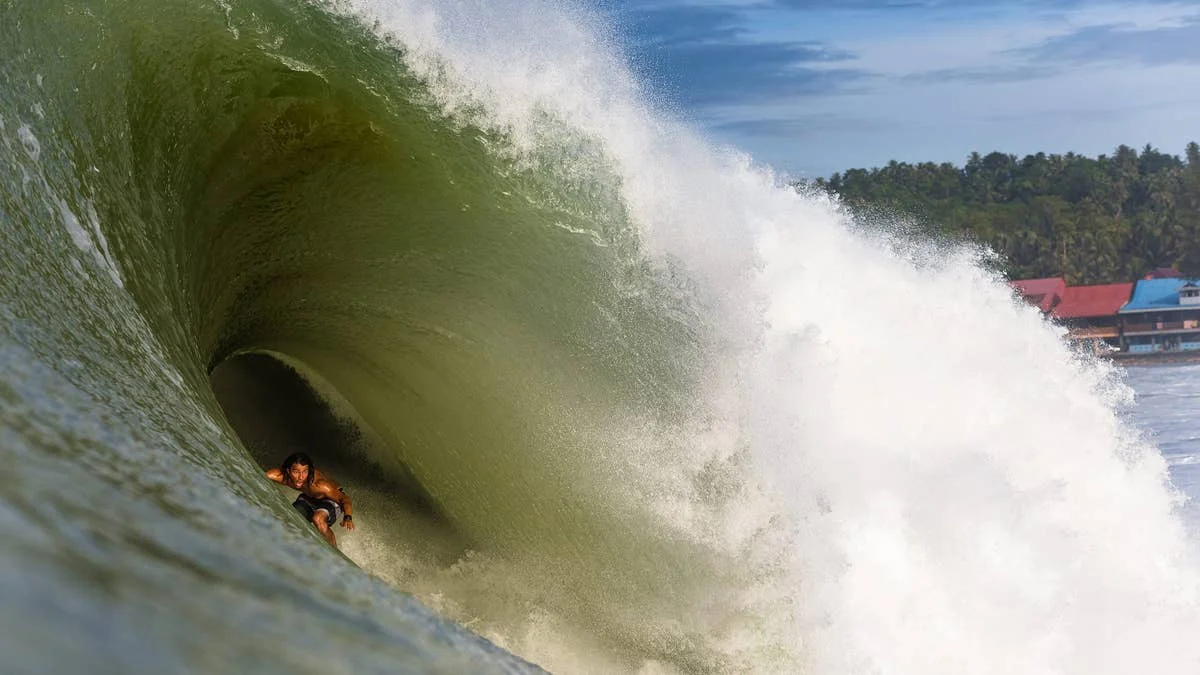
The wave-rich coastline of La Guaira and the surrounding area is the heartbeat of Venezuelan surfing. Just west of Caracas, the region's pointbreaks and beachbreaks have produced some of the country's best surfers while serving as the gateway to countless surf trips along the Caribbean coast.
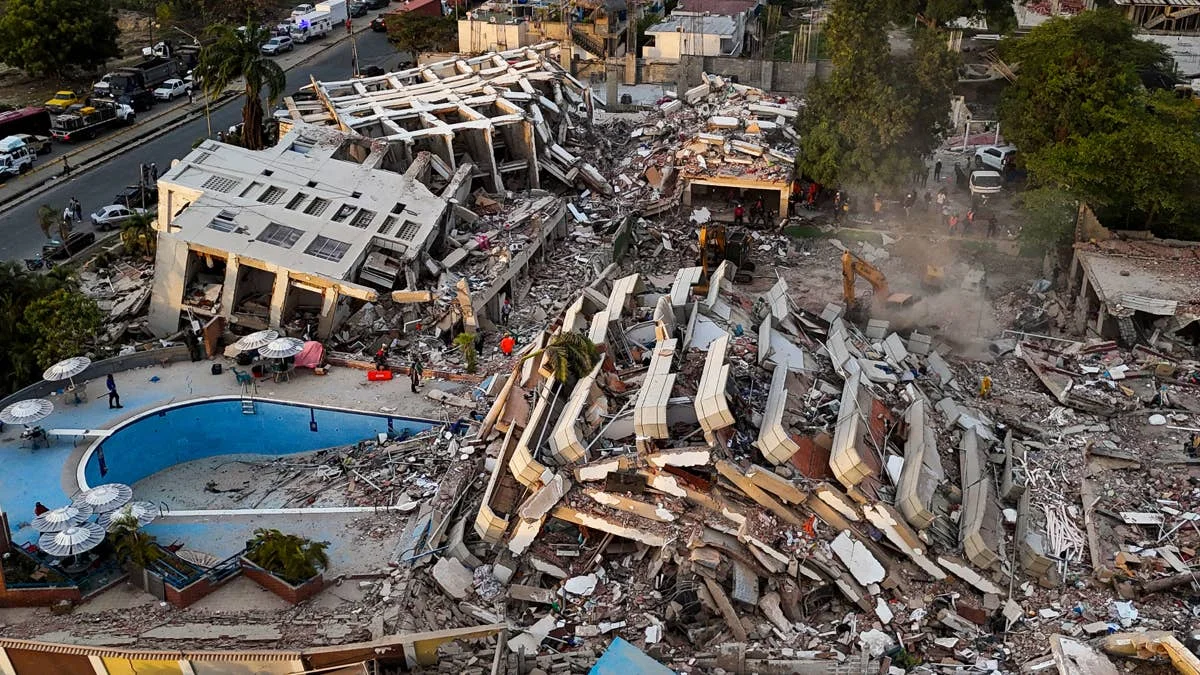
Today, those same communities are at the center of one of the deadliest natural disasters in Venezuela's modern history. A week after twin earthquakes measuring 7.2 and 7.5 magnitude struck just seconds apart off Venezuela's northern coast, the humanitarian crisis continues to deepen. As the disaster continues to unfold, as of press time, officials report that more than 2,200 people have been killed, over 11,000 injured, and nearly 50,000 people remain unaccounted for as rescue crews continue searching collapsed buildings across the country.
Among the hardest-hit areas is La Guaira, home to many of Venezuela's most iconic surf breaks and one of the country's most vibrant surfing communities. Entire coastal neighborhoods suffered severe structural damage, leaving thousands without homes, electricity or reliable access to clean drinking water. For surfers who call La Guaira home, the disaster has transformed familiar beach towns into recovery zones overnight.
World Central Kitchen
Search and Rescue Efforts Continue
The response has now shifted beyond the immediate emergency phase and into the long process of helping communities recover. Humanitarian organization Direct Relief has partnered with emergency responders to support rescue and medical operations throughout the affected region. Among the first deployments was Bomberos Unidos Sin Fronteras (BUSF), a Spain-based search-and-rescue organization working alongside Venezuelan firefighters and Civil Defense officials in La Guaira.
The team includes firefighters, emergency physicians, rescue specialists, logistics personnel, and canine search units tasked with locating survivors, providing emergency medical care, and assisting with damage assessments in some of the hardest-hit neighborhoods. Direct Relief has also funded the deployment of a multidisciplinary emergency medical team from Mexico and Colombia. Emergency physicians, trauma nurses, psychologists, physical therapists, and logistics specialists are providing mobile medical services in communities where hospitals and clinics have been damaged or access has been interrupted.
Clean Water and Medical Care Become Critical
As often happens after major earthquakes, the immediate danger doesn't end once the ground stops shaking. Healthcare providers say one of the biggest concerns now is maintaining access to clean drinking water and adequate sanitation. Damage to water systems, combined with population displacement, increases the risk of dehydration, diarrheal illness and other waterborne diseases that frequently emerge after disasters.
To support those efforts, Direct Relief is preparing shipments of requested medical supplies that include antibiotics, oral rehydration salts, IV fluids, water purification equipment and pain-management medications. Earlier this week, the organization also shipped humanitarian aid from its Santa Barbara headquarters to Panama for regional distribution, including emergency supplies designated for Venezuela.
Waves For Water has also launched a relief effort. Specializing in helping facilitate clean drinking water to disaster zones, they have ample experience in such situations. "We’re moving with our trusted network of friends, partners, and field teams to support communities where infrastructure has been fractured, families have been displaced, and safe drinking water is now a life-critical need," they report on Instagram.
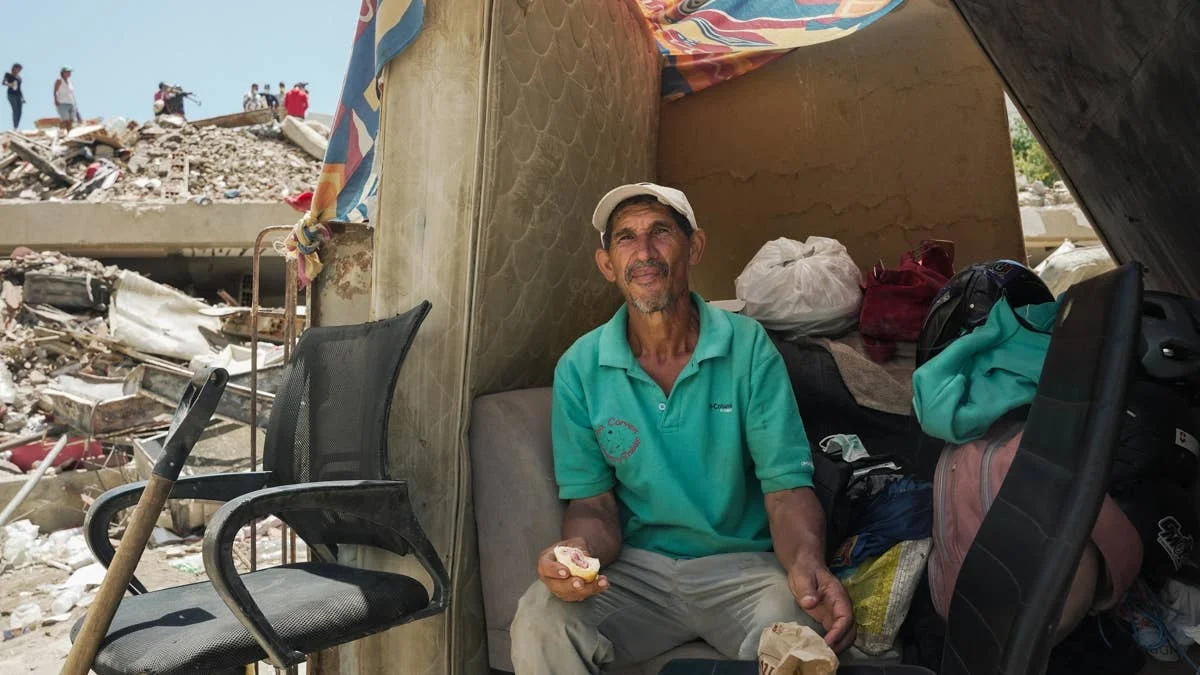
The World Central Kitchen team is also on the ground to help provide meals and nourishment in the hardest hit areas. They have opened a new, large-capacity kitchen and operational hub near the hardest-hit communities in La Guaira, capable of producing up to 30,000 fresh meals per day for families affected by the earthquakes. Working alongside 42 local restaurant partners and operating through 64 distribution sites, their teams are expanding meal service around Miranda (Caracas), La Guaira, and Carabobo.
"Current assessments indicate that thousands of people continue to require humanitarian food assistance. WCK is coordinating closely with local partners and other humanitarian organizations to maximize coverage while avoiding duplication of efforts," reports a WCK press release. "In addition to meal service, WCK is providing water, ice, and other essential items to families facing prolonged power outages and extreme temperatures. We have also established meal distributions at shelters, hospitals, and the Caracas morgue, where families continue to gather as they await news of missing loved ones."
Supporting Venezuela's Healthcare System
For many Venezuelans, the challenges extend well beyond earthquake-related injuries. The country's healthcare system has faced years of economic strain and resource shortages, making continuity of care a critical issue as hospitals and clinics respond to the disaster. Interruptions in access to medications can quickly become life-threatening for patients managing chronic illnesses such as asthma, diabetes, hypertension, and mental health conditions.
To help prevent secondary health crises, Direct Relief has assembled additional shipments for Venezuelan healthcare partners Acción Solidaria and Fundación Wayuu Taya. The supplies include inhalers, blood pressure medications, antibiotics, hydration products and mental health medications requested by local healthcare providers. Maintaining access to routine healthcare during a disaster is often one of the least visible but most important parts of long-term recovery.
The Emotional Recovery Is Just Beginning
Natural disasters leave lasting scars long after the rescue efforts end. Mental health experts routinely see increased rates of anxiety, depression, grief and trauma-related stress in the weeks and months following major earthquakes. Those challenges affect not only survivors but also healthcare workers, first responders and volunteers helping rebuild their communities.
For Venezuela's surfers, the beaches of La Guaira are more than places to catch waves. They're gathering places where families fish, children learn to surf and entire communities spend their lives connected to the ocean.
The waves will still be there. The challenge now is ensuring the people behind Venezuela's surf culture have the resources they need to rebuild their homes, restore their communities and eventually return to the lineup.